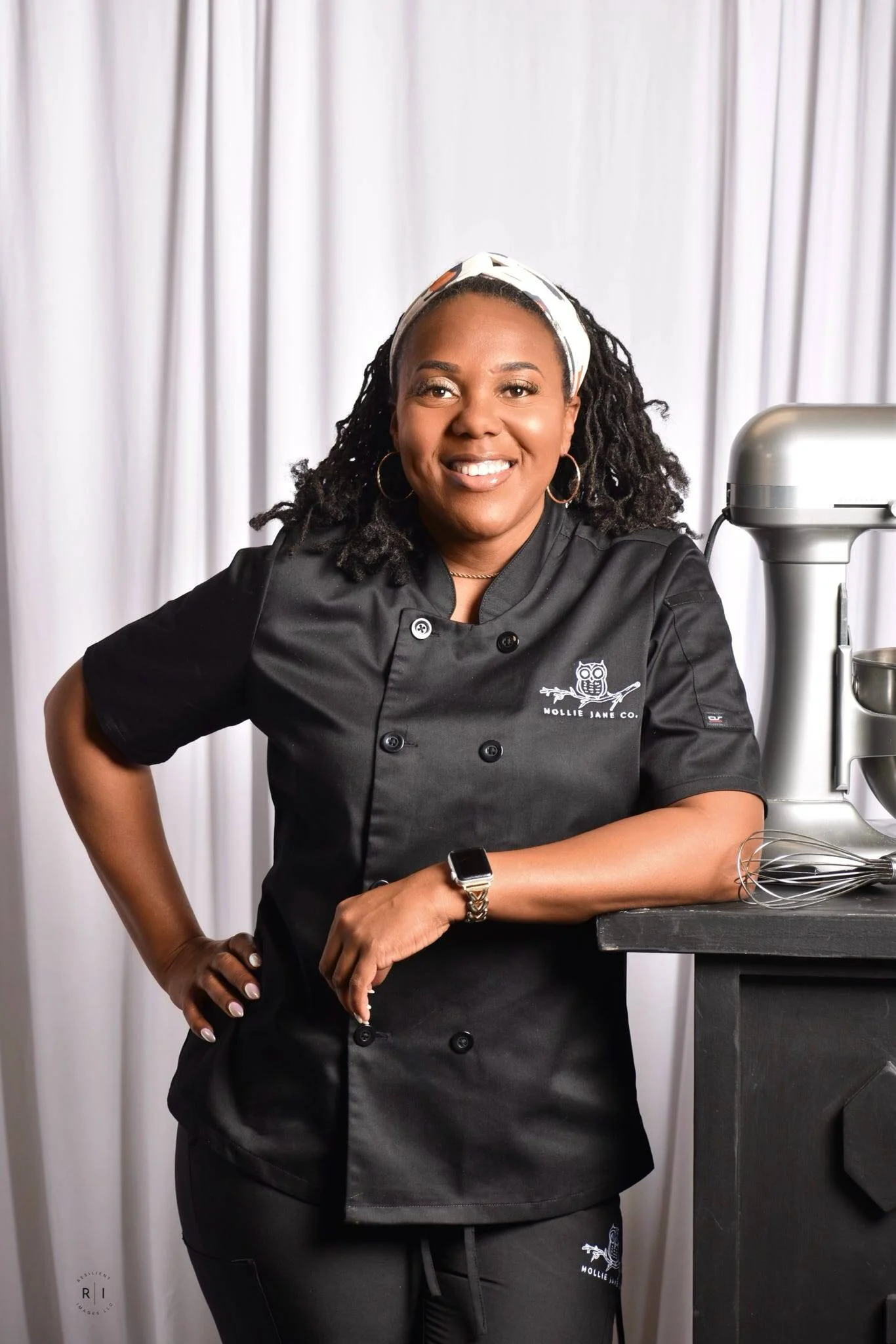
Sandra Plainer-Molden never planned to own a baking business. She baked because she loved it. Then the orders kept coming.
Customers turned a personal pleasure into a side hustle, and the side hustle kept outgrowing its name. Plainer-Molden responded by building Mollie Jane Co., a Pascagoula company now known for gourmet cookies, brownies, croissants, cinnamon rolls, pound cakes and specialty drinks.
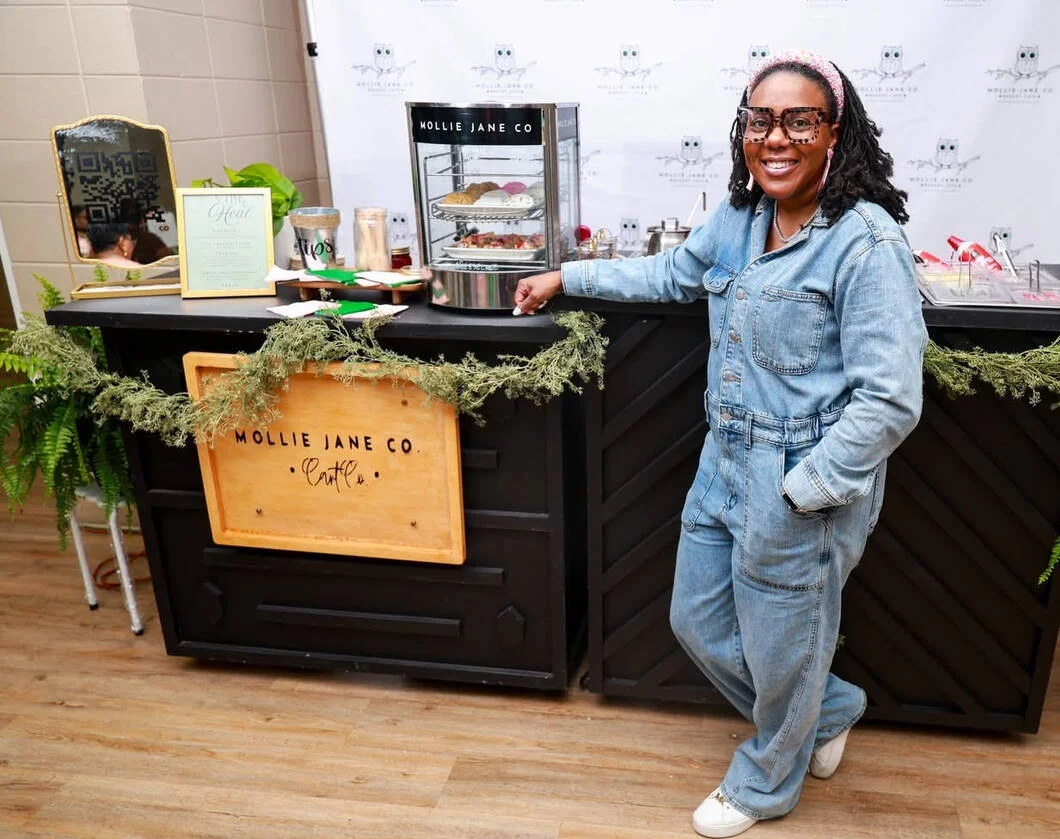
The company reaches customers in several ways. Orders can be scheduled for pickup at its Market Street location, delivered locally or shipped nationwide. Mollie Jane Co. also caters events and creates dessert tables, coffee bars and mobile setups. Plainer-Molden says her customers now come from across Mississippi and neighboring states.
What she does not want is a conventional storefront. For Plainer-Molden, a larger business does not have to mean more real estate. It means finding more ways to serve customers while keeping the freedom she values.
Demand came before the business plan
Plainer-Molden brought a technical background in application analysis and instructional design to the work. The fields are different, but the instinct is familiar: understand what people need, build a process that works and improve it as demand changes.
That approach is visible in the way Mollie Jane Co. operates. A customer in Pascagoula can collect an order. Someone farther away can request delivery or shipping. An event organizer can bring the company on site. The Market Street location supports the business, but walk-in traffic does not define it.
The product has to travel
Without a daily storefront routine, the product and its presentation have to do more of the selling. Plainer-Molden pays close attention to both. She sources some ingredients outside the area when local options do not meet her standards, a decision she considers part of the company’s competitive advantage.
Presentation matters, too. A box of cookies, a catered dessert table and a mobile coffee bar may reach customers in different places, but each one has to look and feel like Mollie Jane Co. The company’s playful online personality may make the introduction. The food has to earn the repeat order.
Freedom is part of the business model
Plainer-Molden is clear about the kind of company she does not want to build. She has no desire to tie Mollie Jane Co. to a traditional storefront model. The current operation gives her room to organize production around orders and events, move where the customers are and decide how quickly the company grows.
That freedom is not a temporary compromise on the way to something more legitimate. It is part of her definition of success.
The family became the operating team
As orders grew, Mollie Jane Co. became a family operation. Plainer-Molden’s family now helps with the work behind the products and events.
“It is truly a family business now, and I couldn’t do it without them.”
Their support has allowed a personal passion to become a working company without losing the close involvement that shaped it. It also gives Plainer-Molden another reason to be selective about growth. Every new opportunity has to fit the business and the people responsible for delivering it.
Growth without giving up control
Mollie Jane Co. already has several possible paths forward. Catering can bring larger orders. Regional events can introduce the brand to new customers. Shipping can widen its reach without requiring another location.
Plainer-Molden does not need every path. She needs the ones that preserve the quality, family involvement and flexibility that made the company work in the first place.
She did not set out to become an entrepreneur. Her customers made the opportunity difficult to ignore. The next chapter will be hers to define.